
image:webmd
Every morning, Josh starts his day by making the same pledge: Today is the day he’s not going to drink. By lunchtime, though, he’s already thinking about what bottle of wine to pick up at the liquor store on the way home from work.
“I buy a bottle of wine with the intention of just having a glass with dinner,” says Josh, who is 33 and lives in Washington, D.C. He asked that has last name not be used to protect his privacy.
“I don’t think I can open a bottle without having the entire thing,” he says.
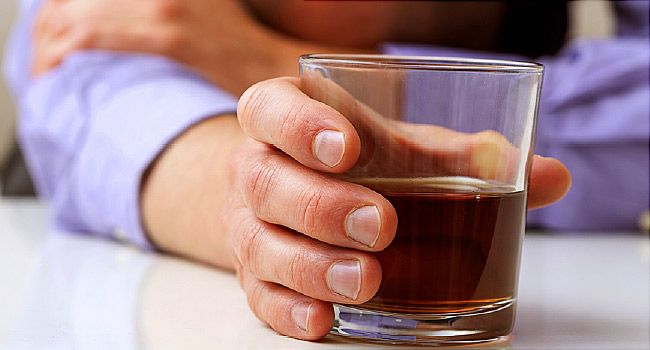
When it’s not a wine night, he’ll pour himself a bourbon that he keeps topping off.
From about 7 to 10 p.m., he’ll sit on the couch, watch TV, and drink. He says he doesn’t get drunk. He says the antidepressant he takes blocks most of the alcohol’s buzz. He doesn’t drive, and he’s rarely hung over the next morning.
“It allows me to just kind of zone out,” he says.
Slideshow
How Alcohol Affects Your Body

Straight to Your Head
Thirty seconds after your first sip, alcohol races into your brain. It slows down the chemicals and pathways that your brain cells use to send messages. That alters your mood, slows your reflexes, and throws off your balance. You also can’t think straight, which you may not recall later, because you’ll struggle to store things in long-term memory.
2 / 15
Your Brain Shrinks
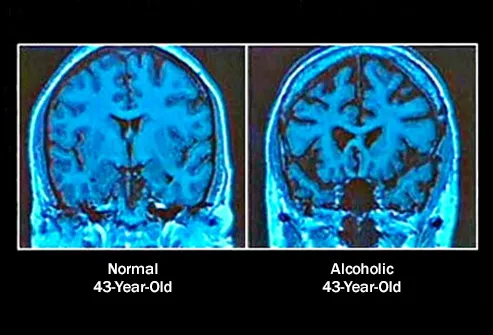
If you drink heavily for a long time, booze can affect how your brain looks and works. Its cells start to change and even get smaller. Too much alcohol can actually shrink your brain. And that’ll have big effects on your ability to think, learn, and remember things. It can also make it harder to keep a steady body temperature and control your movements.

3 / 15
Does It Help You Sleep?
Alcohol’s slow-down effect on your brain can make you drowsy, so you may doze off more easily. But you won’t sleep well. Your body processes alcohol throughout the night. Once the effects wear off, it leaves you tossing and turning. You don’t get that good REM sleep your body needs to feel restored. And you’re more likely to have nightmares and vivid dreams. You’ll also probably wake up more often for trips to the bathroom.
4 / 15
More Stomach Acid
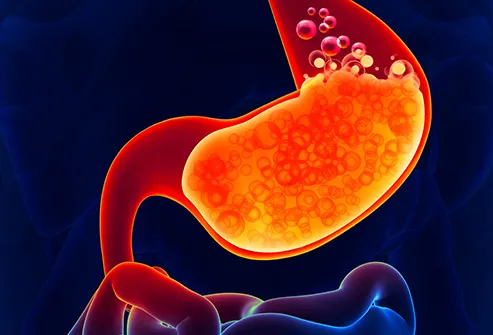
Booze irritates the lining of your stomach and makes your digestive juices flow. When enough acid and alcohol build up, you get nauseated and you may throw up. Years of heavy drinking can cause painful sores called ulcers in your stomach. And high levels of stomach juices mean you won’t feel hungry. That’s one reason long-term drinkers often don’t get all the nutrients they need.

5 / 15
Diarrhea and Heartburn
Your small intestine and colon get irritated, too. Alcohol throws off the normal speed that food moves through them. That’s why hard drinking can lead to diarrhea, which can turn into a long-term problem. It also makes heartburn more likely – it relaxes the muscle that keeps acid out of your esophagus, the tube that connects your mouth and stomach.
6 / 15
Why You Have to Pee … Again
Your brain gives off a hormone that keeps your kidneys from making too much urine. But when alcohol swings into action, it tells your brain to hold off. That means you have to go more often, which can leave you dehydrated. When you drink heavily for years, that extra workload and the toxic effects of alcohol can wear your kidneys down.
7 / 15
The Steps to Liver Disease
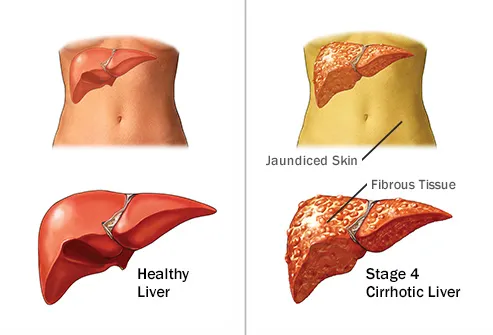
Your liver breaks down almost all the alcohol you drink. In the process, it handles a lot of toxins. Over time, heavy drinking makes the organ fatty and lets thicker, fibrous tissue build up. That limits blood flow, so liver cells don’t get what they need to survive. As they die off, the liver gets scars and stops working as well, a disease called cirrhosis.
8 / 15
Pancreas Damage and Diabetes
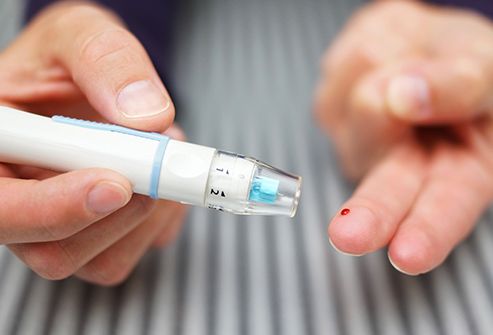
Normally, this organ makes insulin and other chemicals that help your intestines break down food. But alcohol jams that process up. The chemicals stay inside the pancreas. Along with toxins from alcohol, they cause inflammation in the organ, which can lead to serious damage. After years, that means you won’t be able to make the insulin you need, which can lead to diabetes. It also makes you more likely to get pancreatic cancer.
9 / 15
What’s a Hangover?
That cotton-mouthed, bleary-eyed morning-after is no accident. Alcohol makes you dehydrated and makes blood vessels in your body and brain expand. That gives you your headache. Your stomach wants to get rid of the toxins and acid that booze churns up, which gives you nausea and vomiting. And because your liver was so busy processing alcohol, it didn’t release enough sugar into your blood, bringing on weakness and the shakes.
10 / 15
An Offbeat Heart
One night of binge drinking can jumble the electrical signals that keep your heart’s rhythm steady. If you do it for years, you can make those changes permanent. And, alcohol can literally wear your heart out. Over time, it causes heart muscles to droop and stretch, like an old rubber band. It can’t pump blood as well, and that impacts every part of your body.

11 / 15
A Change in Body Temperature
Alcohol widens your blood vessels, making more blood flow to your skin. That makes you blush and feel warm and toasty. But not for long. The heat from that extra blood passes right out of your body, causing your temperature to drop. On the other hand, long-term, heavy drinking boosts your blood pressure. It makes your body release stress hormones that narrow blood vessels, so your heart has to pump harder to push blood through.

12 / 15
A Weaker Immune System
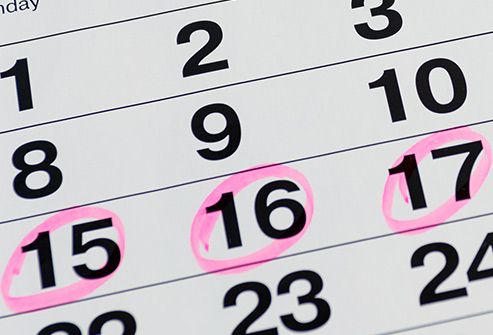
You might not link a cold with a night of drinking, but there might be a connection. Alcohol puts the brakes on your immune system. Your body can’t make the numbers of white blood cells it needs to fight germs. So for 24 hours after drinking, you’re more likely to get sick. Long-term, heavy drinkers are much more likely to get illnesses like pneumonia and tuberculosis.
13 / 15
Hormone Havoc
These powerful chemicals manage everything from your sex drive to how fast you digest food. To keep it all going smoothly, you need them in the right balance. But alcohol throws them out of whack. In women, that can knock your periods off cycle and cause problems getting pregnant. In men, it can mean trouble getting an erection, a lower sperm count, shrinking testicles, and breast growth.
14 / 15
Hearing Loss
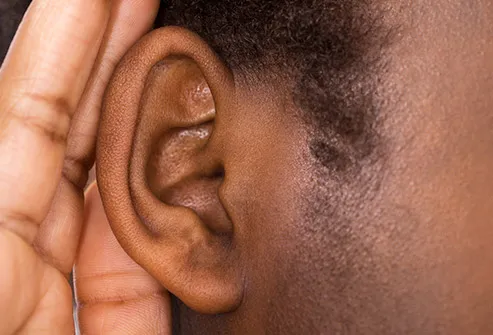
Alcohol impacts your hearing, but no one’s sure exactly how. It could be that it messes with the part of your brain that processes sound. Or it might damage the nerves and tiny hairs in your inner ear that help you hear. However it happens, drinking means you need a sound to be louder so you can hear it. And that can become permanent. Long-term drinkers often have hearing loss.
15 / 15
Thin Bones, Less Muscle
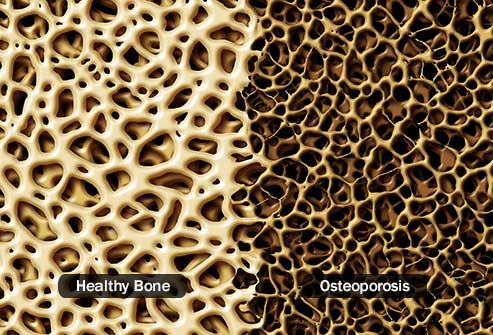
Heavy drinking can throw off your calcium levels. Along with the hormone changes that alcohol triggers, that can keep your body from building new bone. They get thinner and more fragile, a condition called osteoporosis. Booze also limits blood flow to your muscles and gets in the way of the proteins that build them up. Over time, you’ll have lower muscle mass and less strength.
He says he doesn’t see any real impacts to his health, except he’s noticed the waistband of his pants has gotten tighter.
But it bothers him that he’s drinking alone and that he can’t seem to stop.
“It’s just funny to have this mild habit that you just can’t say no to,” Josh says. “I’ve never had that with chocolate cake or with cookies.”
Psychologists and addiction experts agree that our drinking habits put us on a spectrum of risk for having mental and physical problems.
The website “Rethinking Drinking,” which was created by the National Institute on Alcohol Abuse and Alcoholism, helps measure this risk. At the mild end of the spectrum are light or “low-risk” drinkers -- men who knock back fewer than 14 drinks a week, and no more than four drinks in a day; or women who stay under seven drinks a week, and three in one day.
Your level of risk rises with the amount you drink over those levels, either on a daily or weekly basis.
According to the website, Josh’s pattern of drinking -- having more than four standard drinks a night, every night -- makes him a high-risk drinker. It means that he drinks more heavily than about 9 out of 10 adults in the U.S.
At this level of drinking, about 50% of people have an alcohol use disorder, along with bigger chances for other problems with their liver and other organs over time. An alcohol use disorder is a chronic brain disease defined by compulsive alcohol use, the loss of control over drinking, and a negative state of mind when not drinking.
Recent government studies have found a troubling rise in risky drinking across the U.S. for nearly all age groups.
The rate of one type of risky drinking -- binge drinking -- for example, has increased for all adults aged 30 and up over the last 10 years, according to Rick Grucza, PhD, an associate professor of psychiatry at Washington University School of Medicine in St. Louis, who analyzed data from five government surveys. The biggest increases -- nearly 24% -- were seen for adults ages 50 to 74.
Teens Drink Less as Others Drink More
One bright spot seems to be teenagers.
“The good news is that underage drinking has declined about three-fold in the last 10 years,” says George Koob, PhD, director of the National Institute on Alcohol Abuse and Alcoholism. “Among teenagers right now, it’s not really that cool to drink.”
Alcohol Abuse
A study published in February found that the number of alcohol-related emergency department visits increased 62% between 2006 and 2014.
The bad news is that everybody else seem to be indulging more, and sometimes a lot more.
“We’re seeing, in the 20- to 30-year [age] range, extreme binge drinking,” Koob says.
Binge drinking, as defined by the government, is reaching a blood alcohol level of .08 in 2 hours. It takes about five drinks for a man, and four drinks for a woman, to reach that level. A standard drink is 12 ounces of regular beer; 5 ounces of wine; or 1.5 ounces of distilled liquor like gin, rum, tequila, vodka, or whiskey.
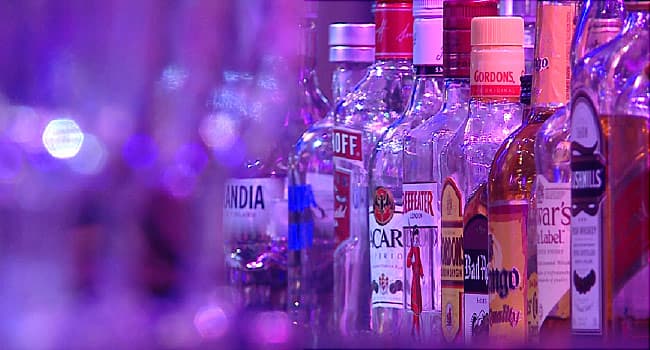
Our alcohol-soaked culture is taking a toll on health. A study published in February found that the number of alcohol-related emergency department visits increased 62% between 2006 and 2014. Alcohol-related emergencies include everything from overdoses to accidents where alcohol played a part.
“It’s a staggering number of visits per day,” says study author Aaron White, PhD, a biological psychologist at the National Institute on Alcohol Abuse and Alcoholism. “About 10 times a minute, somebody shows up in an emergency department in the U.S. for a reason related to their drinking.”
White says it’s not clear what’s driving the increase, but one possibility is the rise in risky drinking.
“Right now, the best explanation seems to be a shift toward higher-level drinking -- a small percentage of drinkers is drinking more,” White says.
'Low Responders'
How do you know if you’re in trouble with alcohol?
It may be tough to tell, especially if you’re somebody who can hold your liquor, or drink a lot without feeling much of an effect.
If that sounds like you, you may be what Marc Schuckit, PhD, calls a “low responder.”
DID YOU KNOW
Children of alcoholics are much more likely to grow up to have alcohol use disorders.
Low responders have to drink a lot more than others before they start to feel alcohol’s effects, which gives them a higher chance of having an alcohol use disorder, says Schuckit, who’s a professor of psychiatry at the University of California, San Diego.
“They don’t get the same kind of feedback that other people do that they’re getting drunk,” he says. “What happens is they pass a crucial point where enough alcohol has been absorbed to get them to feel pretty drunk, and by then, they probably have three extra drinks in their stomach that they haven’t processed yet.”
Because low responders tend to drink heavily, they like to hang out with other heavy drinkers, which reinforces their habit.
Schuckit estimates that 15% to 20% of people in the general population qualify as low responders, and that rises to about 40% to 50% for the children of alcoholics.
Know How You Deal With Alcohol
Whatever kind of drinker you may be, the first step in understanding your relationship with alcohol is to take stock of how much and how often you’re drinking. One way is to use the calculator on the Rethinking Drinking website.
The consequences of overdoing it may be subtle, at least at first.
“When you start getting in trouble with alcohol, and you can recognize that it’s the alcohol, that’s a warning sign,” Koob says.
“It could be that you’re late for work. You’re late for exams. It could be increasing bad interactions with a family member or a significant other,” he says.
When you start getting in trouble with alcohol, and you can recognize that it’s the alcohol, that’s a warning sign.George Koob, PhD, director, National Institute on Alcohol Abuse and Alcoholism
“It could be sleep. Maybe you drink to fall asleep, but you wake up in the middle of the night. You’re cranky and irritable and start snapping at people. These are the signs and they start to add up,” says Koob.
Other signs that you’re becoming physically dependent on alcohol include if you've:
Had times when you ended up drinking more, or longer, than you intended
More than once, wanted to cut down or stop drinking, or tried to, but couldn’t
Spent a lot of time drinking or got sick from the effects
Wanted a drink so badly, you couldn’t think of anything else
Found that drinking -- or being sick from drinking -- often interfered with taking care of your home or family, or caused job or school troubles
Kept drinking even though it was causing trouble with your family or friends
Gave up or cut back on activities that were important or interesting to you, or gave you pleasure, in order to drink
More than once gotten into situations, while or after drinking, that raised your chances of getting hurt
Continued to drink even though it made you feel depressed or anxious, added to another health problem, or caused a memory blackout
Had to drink much more than you once did to get the effect you want, or you found that your usual number of drinks had a much lower effect than before
Found that when the effects of alcohol were wearing off, you had withdrawal symptoms such as trouble sleeping, shakiness, restlessness, nausea, sweating, a racing heart, or a seizure, or you sensed things that were not there
If you can answer yes to two or three of the things on this list, you may have a mild alcohol use disorder. If you can say yes to four or five things on the list, that’s a moderate alcohol use disorder, while having six or more symptoms qualifies as a severe disorder, according to the DSM-5, which psychologists use to diagnose mental disorders.
However severe the problem may seem, most people with an alcohol use disorder can benefit from treatment.
Josh says he’d like to taper off. His goal would be to drink occasionally -- on the weekends out with his girlfriend or in social settings.
“The thing that annoys me the most is that it’s a silly money drain,” he says. “That inability to say no to something really bothers me.”
source:webmd
Effects Of Drinking In Your System
![Effects Of Drinking In Your System]() Reviewed by siddo
on
May 05, 2018
Rating:
Reviewed by siddo
on
May 05, 2018
Rating:


No comments: